Planning Your Garage Project
When embarking on the journey of building your own garage in the country, effective planning serves as the cornerstone of your project. Begin by defining your objectives, which involves identifying the primary purpose of your garage. Whether you envision it as a space for vehicle storage, a workshop, or even a recreational area, having a clear sense of purpose will guide your decisions throughout the process.
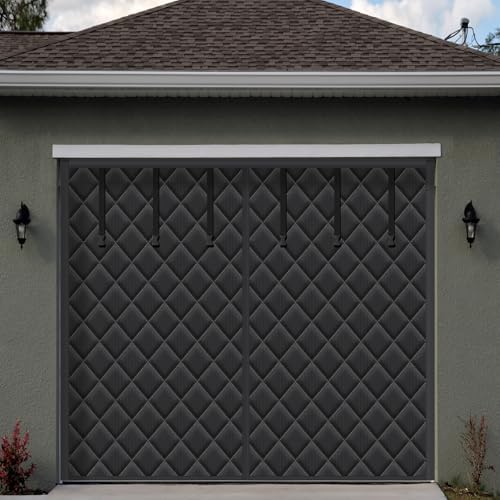




Next, consider the size and style of your garage. The dimensions will largely depend on the number of vehicles you wish to accommodate and any additional functionality you aim to incorporate. A meticulous assessment of your needs will enable you to select a design that complements your property while also aligning with your vision. Furthermore, reviewing various architectural styles can result in a garage that not only meets practical requirements but also enhances your home’s aesthetic appeal.
Understanding zoning regulations and permits is another critical aspect of planning your garage project. Overlooking these legal requirements may lead to complications down the road. Start by consulting your local government or zoning office to gather information about restrictions related to building size, setbacks from property lines, and height limitations. Acquiring the necessary permits will ensure that your project adheres to the regulations in your area.


Simultaneously, budget planning is crucial. Establish a realistic budget that accounts for materials, labor, and contingencies for unexpected expenses. Allocating resources wisely will help prevent financial strain throughout the construction process. Lastly, selecting the right location on your property is paramount to ensure functionality and accessibility. Consider factors such as ease of access, natural drainage, and existing structures to optimize your garage’s placement. By thoughtfully considering these essential elements, you can lay a solid foundation for your garage project, setting the stage for a successful build.
Designing Your Garage
When embarking on the journey of building a garage in the countryside, the design is an essential aspect that warrants thorough consideration. The choice between attached versus detached garages often sets the stage for the overall functionality and aesthetics of the structure. An attached garage is integrated within or directly adjacent to the living space, offering the convenience of direct access to the home. This type enhances the property’s curb appeal but often limits design flexibility. Conversely, a detached garage provides more options in layout and can be positioned to complement the landscape seamlessly. While it may require extra consideration for access between the garage and home, the overall design advantages can often justify its placement.
In addition to the basic structure, selecting appropriate design features is crucial to creating both a functional and visually appealing garage. Considerations include the types of doors—whether opting for traditional swing doors or modern roll-up doors. Windows should also be included thoughtfully, allowing natural light to permeate the space while ensuring privacy and security. Adequate lighting is another significant factor; a well-lit garage not only increases safety but also enhances the ability to work on projects any time of day.
Insulation should not be overlooked in your garage design plans, especially if you intend to use the space for more than just vehicle storage. Proper insulation keeps the garage comfortable year-round, allowing for various activities throughout the seasons. Finally, achieving harmony between your garage’s design and your home’s architecture is vital. Selecting materials and colors that echo the existing structures can create a cohesive look. Additionally, landscaping around the garage can enhance its integration into the countryside surroundings, making it an attractive addition to your property.
Materials and Construction Methods
When considering the construction of a garage in the country, the choice of materials is paramount, as it greatly influences the durability, maintenance, and overall aesthetics of the structure. The most commonly utilized materials include wood, metal, and concrete, each possessing unique attributes. Wood is often favored for its natural appearance and ease of construction. It provides good insulation but could be susceptible to pests and rot if not properly treated. Metal, on the other hand, offers heightened durability and resistance to weather elements. It can be less insulating, thus potentially leading to higher heating or cooling costs. Concrete stands as a popular choice due to its strength and low maintenance requirements. However, it tends to be less visually appealing without additional finishes.
Evaluating the pros and cons of each material can help you align your choice with your budget and desired longevity. A significant factor to consider is the climate of the area where the garage will be constructed, as this can impact the material’s performance over time. It will also aid in determining necessary modifications to enhance durability, such as insulation for wooden structures or coatings for metal garages.
Beyond materials, construction methods play a crucial role in your project’s success. Homeowners can choose to undertake a DIY approach, which may be more cost-effective but requires a good level of skill and time commitment. Alternatively, hiring a contractor can ensure professional quality but often comes at a higher expense. Evaluating factors such as the time available for construction, overall budget, and required skills will guide your decision. Whichever approach is chosen, thorough planning will lead to a successful garage building experience that meets your specific requirements and preference.
Finishing Touches and Maintenance Tips
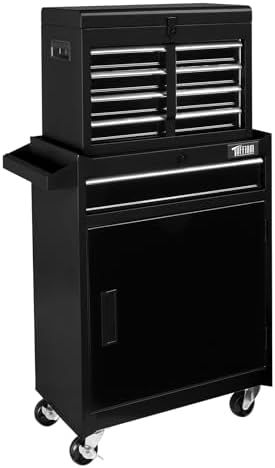
Once the construction of your garage is complete, the finishing touches play a vital role in both functionality and aesthetics. Interior organization solutions can greatly enhance the usability of the space. Consider installing shelves, cabinets, and pegboards to keep your tools and equipment easily accessible while reducing clutter. Using labeled storage bins can also streamline your workflow, making it simpler to find what you need quickly. Additionally, a dedicated workbench can serve as a multifunctional area for various projects, further enhancing the garage’s practicality.
On the exterior, landscaping can significantly improve the visual appeal of your garage. Simple additions, such as planting flower beds or installing outdoor lighting, can create a welcoming entrance. Moreover, consider ensuring that the driveway leading up to your garage is well maintained, as this not only adds aesthetic value but also affects practical use during inclement weather. A well-paved driveway will help avoid damage from erosion or potholes, extending the lifespan of both the driveway and your vehicle.
Furthermore, maintenance is crucial for preserving the integrity and appearance of your garage over the years. Periodic inspections are recommended to check for issues such as leaks, pest infestations, and deterioration of materials. Cleaning your garage about once a season will promote a safe and effective environment, as dust and debris can accumulate and pose hazards. Consider sealing any cracks in the walls or floors and repainting surfaces when necessary to protect them from the elements.
Moreover, it’s essential to maintain the tools and equipment stored in the garage. Regular oil changes, sharpening blades, and rust prevention treatments will ensure that they remain in excellent working condition. By implementing these finishing touches and maintaining your garage properly, you will not only optimize its functionality but also create an inviting space that serves you well for years to come.
Contact information — Please use contact form on http://www.abshot.com/contact/